The Immortality Key: The Secret History of the Religion With No Name by Brian C. Muraresku
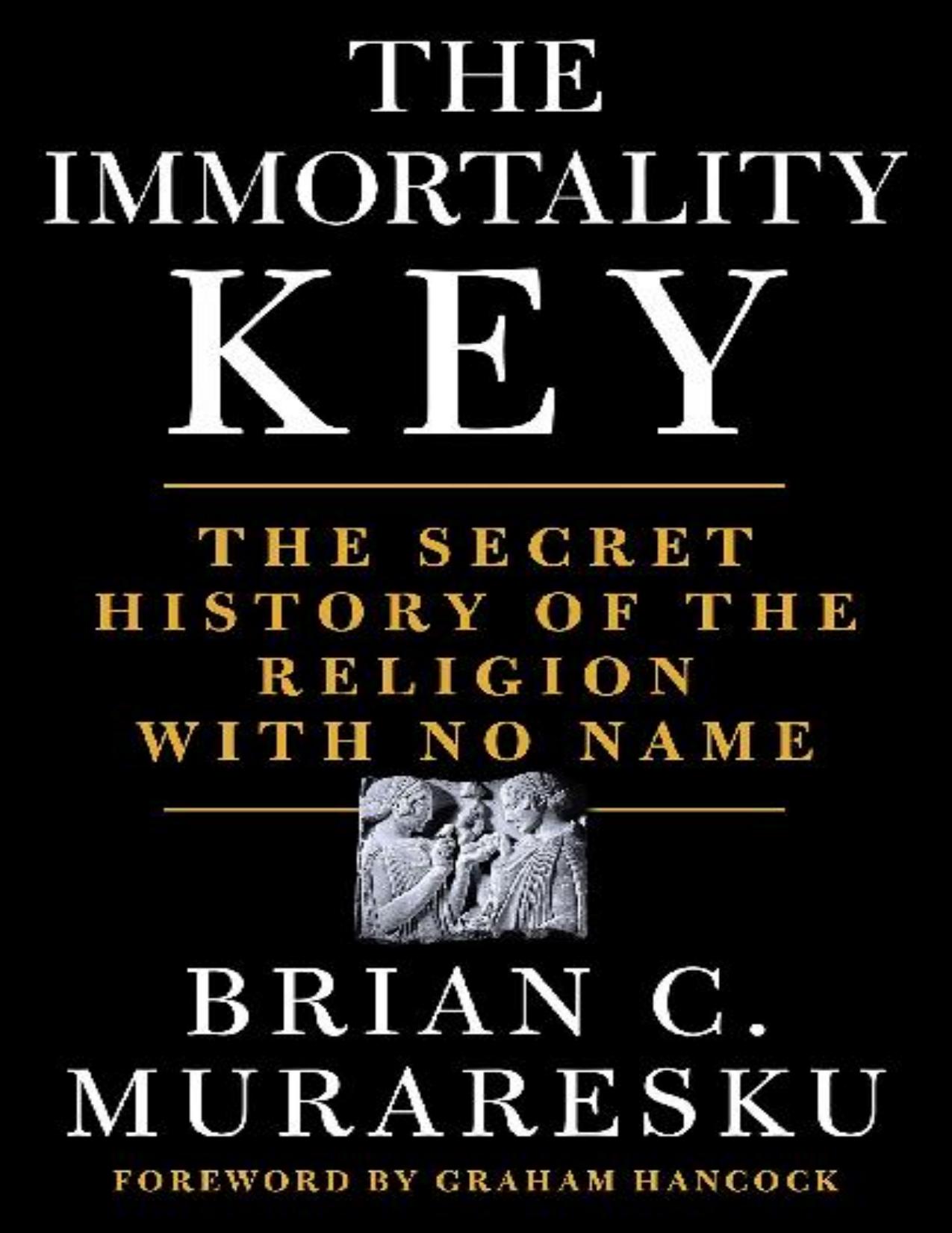
Author:Brian C. Muraresku [Muraresku, Brian C.]
Language: eng
Format: epub, pdf
Tags: Non-Fiction, History, Religion, Philosophy, Ancient History
ISBN: 9781250270917
Publisher: St. Martin's Publishing Group
Published: 2020-09-29T18:00:38.123000+00:00
âWhenever Christianity spread,â says the scholar Torjesen, âwomen were leaders of house churches.â34 Before the religion upgraded to the more ornate buildings of worship familiar today, these house churches were one of the two primary venues where paleo-Christians gathered until the erection of basilicas in the fourth century AD.35 Along with family tombs in the underground catacombs from Italy to Greece to North Africa, the house churches functioned as âprivate associations,â where the âcentrality of the banquet mealâ perfectly suited womenâs entrenched authority over the home, including âreceiving, storing and distributingâ all the ingredients necessary for the Eucharistic ritual.36 The New Testament is full of examples of such female luminaries.37
In Ephesus, it was Priscilla, who is actually mentioned in three of Paulâs Letters and the Acts of the Apostles. A well-to-do tent-maker, she established a house church not only in the ecstatic territory of Artemis and Dionysus, but also later in Rome.38 Itâs there we find a profusion of impressive female leadership. In addition to Priscilla, Paul mentions several by name: Mary, Tryphaena, Tryphosa, and Persis were all addressed as âcoworkers.â Three moreâa certain Julia, the mother of Rufus, and the sister of Nereusâall enjoyed a âhigh profile in the community.â39 But it was Junia who was hailed as âforemost among the apostles.â40 She is thought to have belonged to a movement of Greek-speaking Jews who descended on Rome at the time in order to establish the permanent roots of the religionâs future global capital.41
Ever since Paulâs first journeys in the mid-first century AD, women like Junia embraced and nurtured their new sacrament, as well as the promise of apotheosis that would later be made so explicit in John 6:53â56. Over the previous centuries the maenadâs ritual meal of raw flesh and blood paired with magical wine had been infrequently showcased in the mountains and forests of the ancient Mediterranean, perhaps only once every two years by some estimates. When they became more frequent and more organized, thatâs when things got tricky.
After the brutal crackdown by the Roman senate in 186 BC, their peripheral religion faced a real existential crisis in Italy.42 The suppression could always happen again, especially during the first century AD, when the empire that had spread across the Mediterranean was hyper-conscious of promoting Roman identity in public displays of religious worship. A subversive cult dedicated to an exotic god like Dionysus, defined by secret meetings and magical sacraments, remained under constant suspicion of conspiring behind the scenes, just one step away from launching all-out revolt against Rome.43 The emperor could tolerate the state-run Mysteries of Eleusis, with its relative order and long cultural legacy. The undying devotion of women to the God of Ecstasy, with their âinappropriate desire for knowledgeâ and âritual cannibalism,â according to the historians Beard, North, and Price, was another thing altogether: âfundamental breaches of the code of humanity.â44
Witches could hardly rest easy. But hope was in the air. In the same way that Dionysus rescued his sacrament from Eleusis and brought it
Download
The Immortality Key: The Secret History of the Religion With No Name by Brian C. Muraresku.pdf
This site does not store any files on its server. We only index and link to content provided by other sites. Please contact the content providers to delete copyright contents if any and email us, we'll remove relevant links or contents immediately.
The Power of Habit by Charles Duhigg(3116)
Man's Search for Meaning by Viktor E. Frankl(2659)
Mckeown, Greg - Essentialism: The Disciplined Pursuit of Less by Mckeown Greg(2413)
MOSES THE EGYPTIAN by Jan Assmann(2406)
Devil, The by Almond Philip C(2321)
The Complete Dead Sea Scrolls in English (7th Edition) (Penguin Classics) by Geza Vermes(2268)
Unbound by Arlene Stein(2261)
I Capture the Castle by Dodie Smith(2026)
Schindler's Ark by Thomas Keneally(1866)
The Invisible Wall by Harry Bernstein(1794)
The Gnostic Gospel of St. Thomas by Tau Malachi(1778)
The Bible Doesn't Say That by Dr. Joel M. Hoffman(1674)
The Secret Doctrine of the Kabbalah by Leonora Leet(1600)
Political Theology by Carl Schmitt(1567)
The Jewish State by Theodor Herzl(1525)
A History of the Jews by Max I. Dimont(1515)
The Dead Sea Scrolls Bible by Martin G. Abegg(1500)
The Book of Separation by Tova Mirvis(1477)
Oy!: The Ultimate Book of Jewish Jokes by David Minkoff(1359)
